
Melbourne electrical service
Renovation & Extension Electrical Melbourne
Renovating or extending? ProWave Electrical does the electrical side of home renovations and extensions across Melbourne from our base in Essendon, from the rough-in while the walls are open to the fit-off at the end.
- REC 38588 licensed
- Over 10 years of industry experience
- Based in Essendon
- 5.0 stars from 12 Google reviews
Request a quote
Tell Athan about your renovation and he'll get back to you.
What's involved
Renovation & Extension Electrical, done properly
- New wiring and rough-in for renovations and extensions
- Lighting and power point planning for each room
- Switchboard upgrades to handle the added load
- Kitchen circuits, including ovens and rangehoods
- Smoke alarms where the renovation or extension needs them
- A Certificate of Electrical Safety on completion
The earlier the electrician is involved, the smoother the job: settling circuits and lighting before the walls are lined saves rework. Added rooms and appliances often need more switchboard capacity, which is easiest to sort as part of the same job.
Recent work
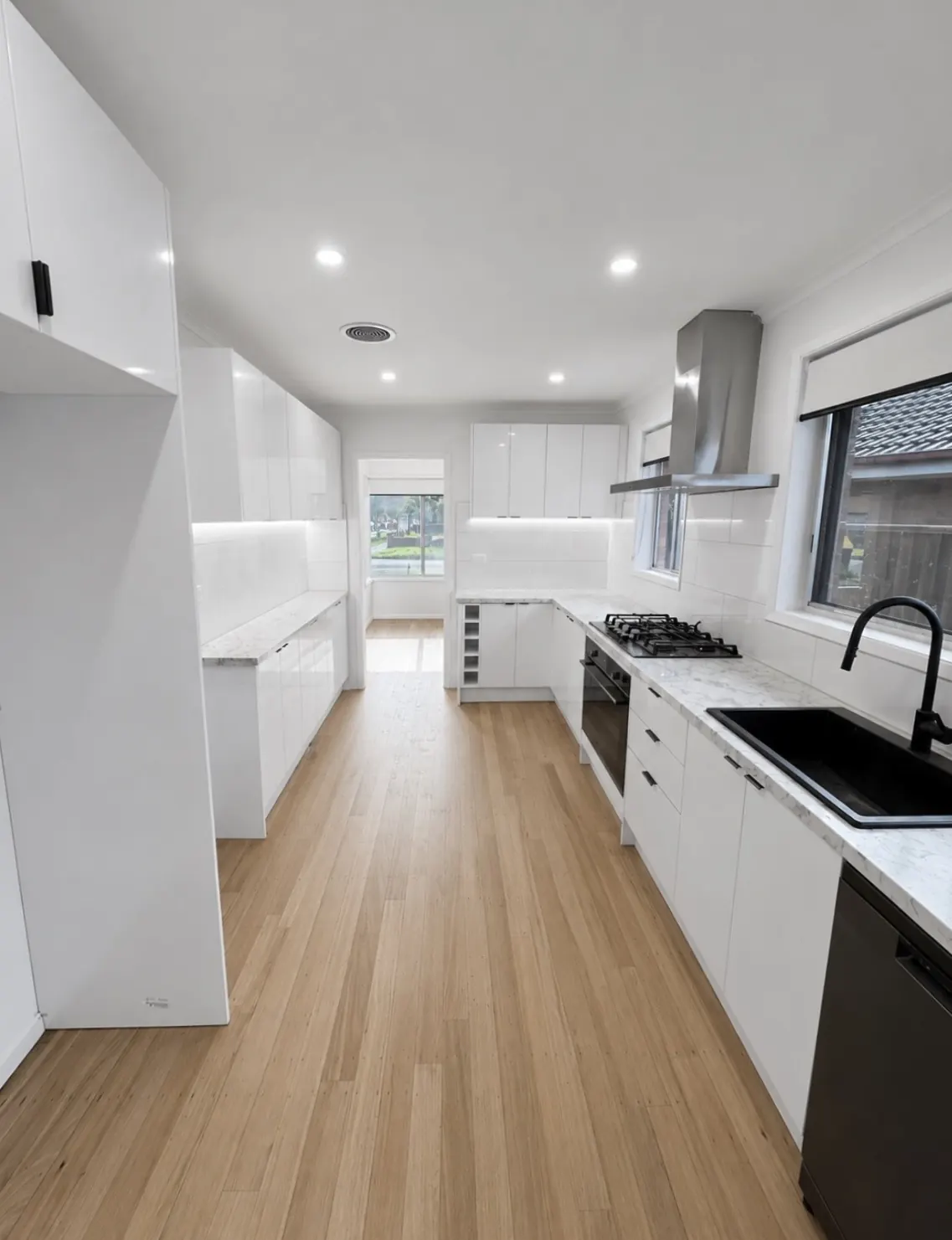
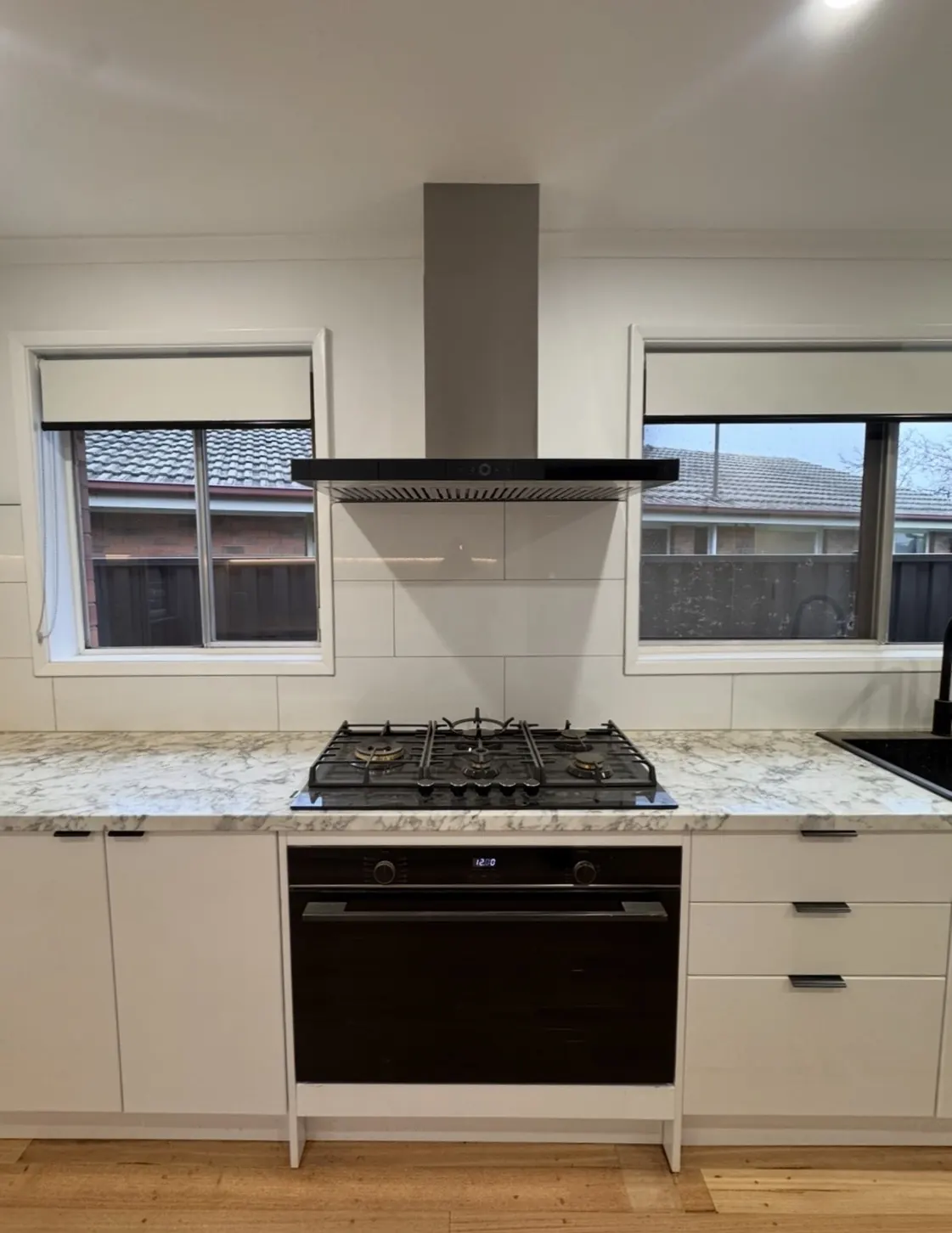
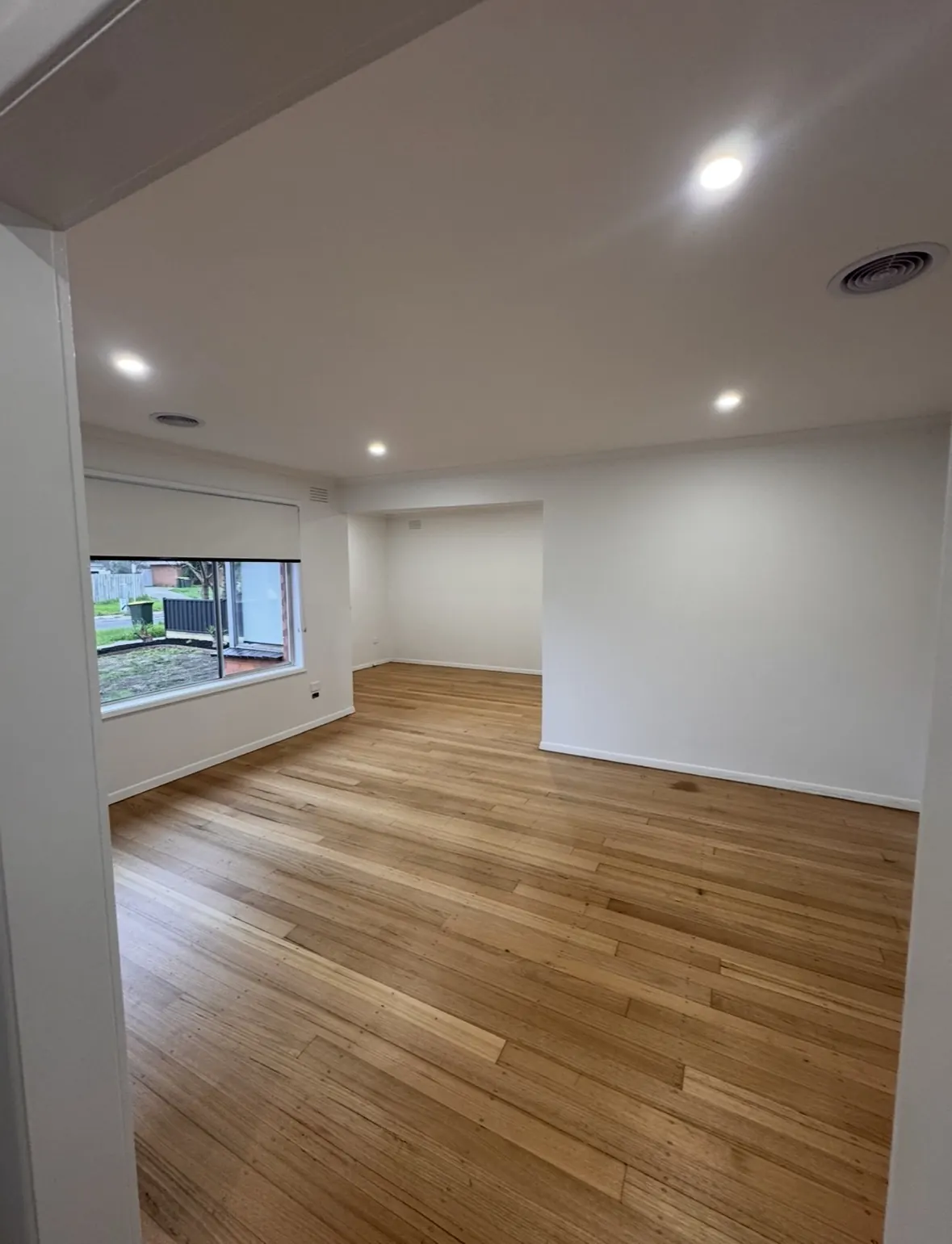
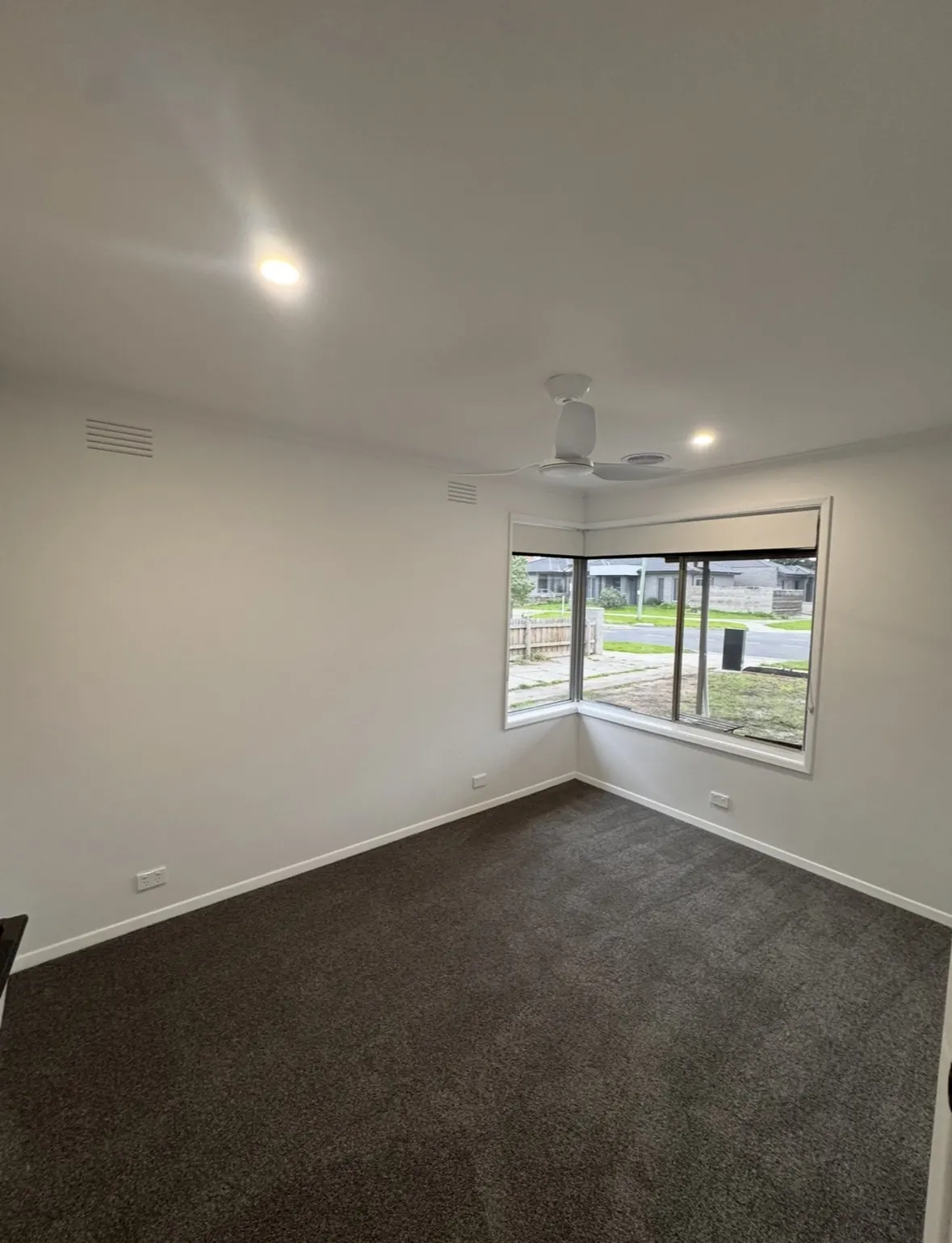
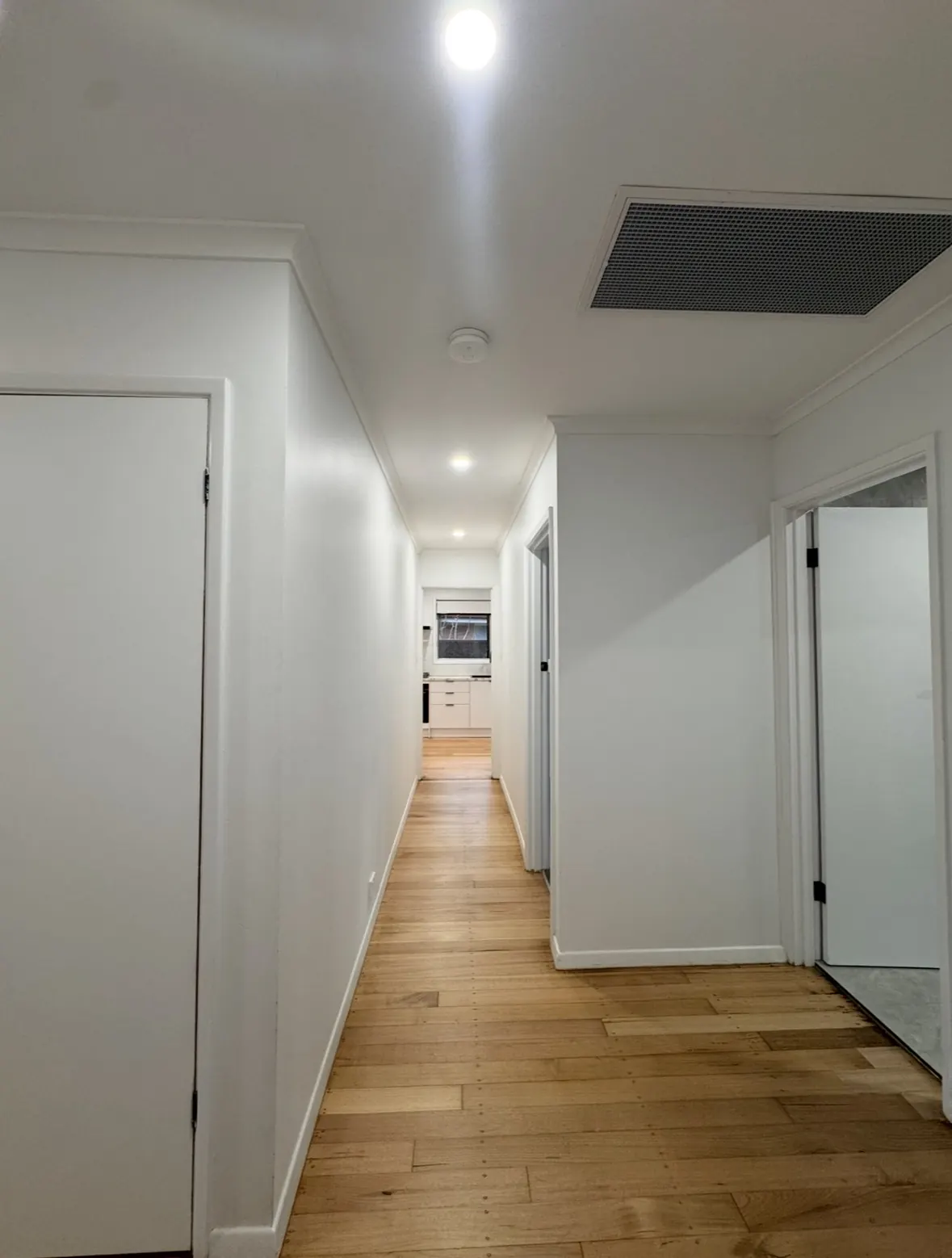
The complete electrical fit-out for a full house renovation: downlights and power points installed throughout, a new oven and rangehood, ceiling fans in each room and smoke alarms, including one in the hallway.
Where we work
Renovation & Extension Electrical across Melbourne's inner north-west
Based in Essendon and servicing the surrounding suburbs and the wider Melbourne metro.
Related services
ProWave Electrical works for homes and businesses across Melbourne.
FAQ
Renovation & Extension Electrical: common questions
About renovation and extension electrical work in Melbourne
Before the walls are lined. Renovation electrical usually happens in two stages: the rough-in, when cables and wall boxes go in while the frame is open, and the fit-off, when lights, switches and power points are fitted at the end. Settling your lighting layout, power point positions and appliance list before rough-in avoids cutting into finished walls later, and it shows early whether your switchboard has room for the new circuits.
Start with the oven, which usually needs its own circuit sized to the maker's installation instructions, so get model numbers to the electrician early. Then plan bench power points where appliances will actually sit, points for the rangehood, dishwasher and fridge, and the lighting layout. Check whether your switchboard has room and safety switch protection for the new circuits, as an older board may not. Getting this settled before the walls are lined saves rework, and electrical work like this needs a Certificate of Electrical Safety.
Have it checked if your house is more than 30 years old, which is Energy Safe Victoria's advice, or if you notice warning signs such as flickering lights, sparks from switches or power points, or old and broken fittings. Energy Safe says fire brigades respond to more than 300 domestic electrical fires each year, many caused by old wiring that has degraded or can't cope with modern equipment, and that contact with degraded wiring can be fatal. A renovation opens up walls and ceilings, so it's a sensible time for a licensed electrician to check what you have and which circuits should be replaced.
It can. Fire Rescue Victoria says homes largely renovated or extended after 1 August 1997 need hardwired smoke alarms connected to 240-volt mains power with a backup battery, and homes largely renovated or extended after 1 May 2014 need those alarms interconnected, so if one sounds they all do. If you're not sure whether your project counts as a large renovation or extension, ask your builder or building surveyor. A renovation is also the easiest time to run cable for alarms, while the ceilings are open.
Need electrical work for a renovation? Call Athan.
Or send the quote form above and he'll get back to you about the job.